Farway Journal
Pitti Bimbo: what the childrenswear trade show is (and what we took there)
What Pitti Bimbo is, where and when it takes place, what happens inside The Kid’s Lab, and how Farway Milano presented its Fall/Winter collection with Made in Italy production, 100% vegan garments and a scent journey built around the woods.
10 August 2026
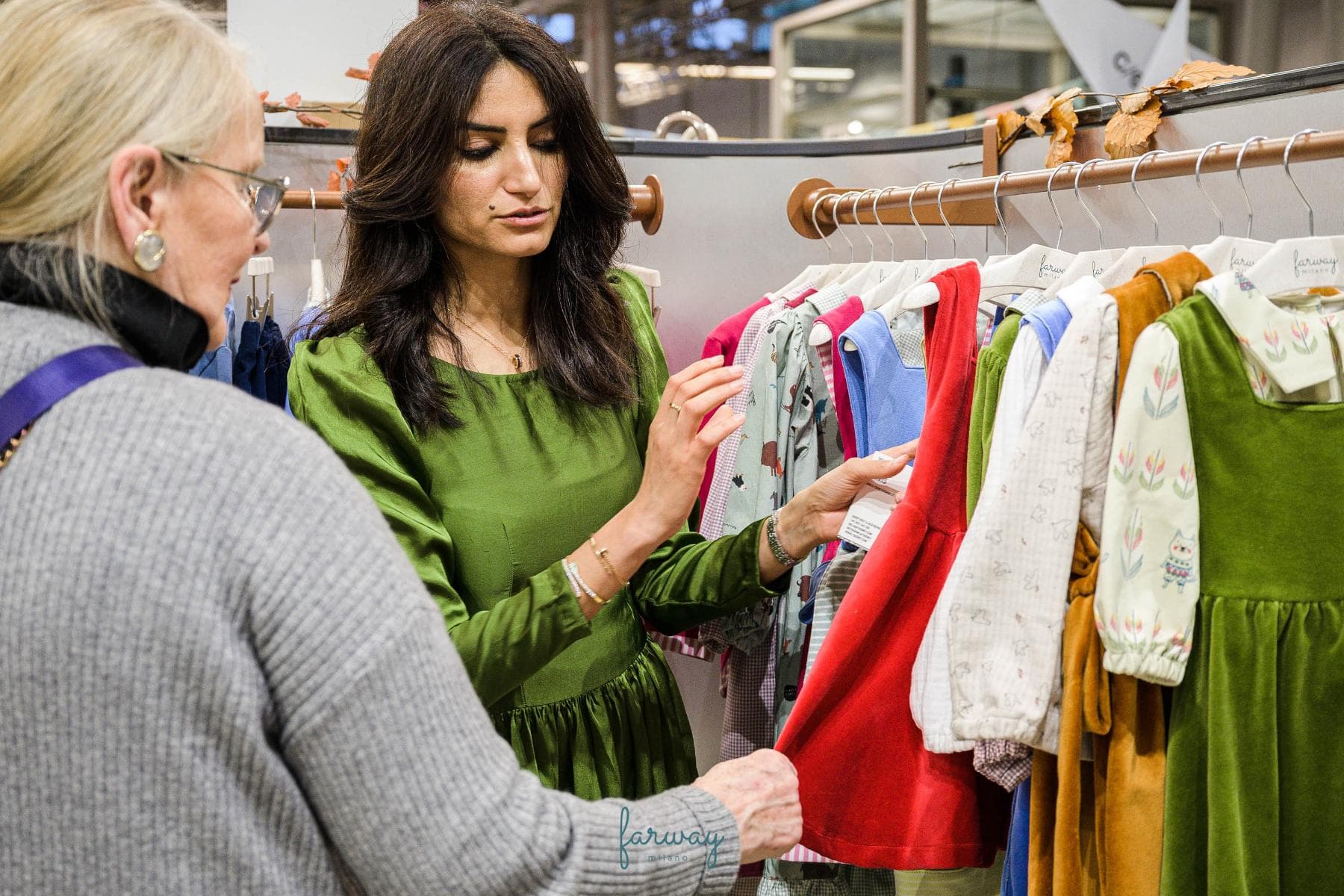
There are three days a year, twice a year, when the whole world of childrenswear meets in the same place: the Fortezza da Basso in Florence. It is called Pitti Bimbo, and it is the trade show where brands present next season’s collections to buyers — the clothes children will be wearing six months or a year from now.
Farway Milano was there on 18 January 2023, inside The Kid’s Lab, with the Fall/Winter 2024 collection. Here we explain what Pitti Bimbo really is, how it works, and what we took with us.
In short:
- Pitti Bimbo (Pitti Immagine Bimbo) is the international childrenswear trade show: it is held at the Fortezza da Basso in Florence, twice a year.
- It is not open to the public: it is a meeting between brands and buyers, where the following season’s collections are presented.
- The Kid’s Lab is the area given over to research-driven labels and the most experimental projects: that is where we were.
- Our Fall/Winter 2024 grew out of the theme of drought and climate change: entirely Made in Italy and 100% vegan.
What Pitti Bimbo is
Pitti Immagine Bimbo — Pitti Bimbo to everyone — is the international trade show for children’s and teenagers’ fashion. It is organised by Pitti Immagine, the same people behind Pitti Uomo, and in kidswear it is the European point of reference: anyone who designs clothing for children passes through it sooner or later.
What it does is easy to explain and less easy to live through: for three days brands set up a space and show the following season’s collection to buyers from shops and department stores all over the world. It is the moment when a garment stops being an idea in the atelier and starts becoming something that someone, somewhere, will actually buy.
Where and when it takes place
The venue is the Fortezza da Basso in Florence, the sixteenth-century fortress that also hosts the other Pitti Immagine shows. There are two editions a year: one in January, for autumn-winter collections, and one in June, for spring-summer collections. Always a year ahead of when the garments will reach the shops.
The edition we took part in was the 96th, from 18 to 20 January 2023: around 250 exhibiting labels, 70% of them from outside Italy.
The Kid’s Lab: the space for research projects
The show is divided into areas, and they are not interchangeable: each one has its own character. The Kid’s Lab is the one for research-driven labels, for projects experimenting with materials, shapes and ways of telling a story. It is the least “commercial” and most curious part of the show, and for a brand like ours it is the natural home.
Our presentation took place in the Padiglione Cavaniglia, one of the halls inside the Fortezza. A setting that lends itself to storytelling more than to selling — which was exactly what we needed.
The Fall/Winter 2024 collection
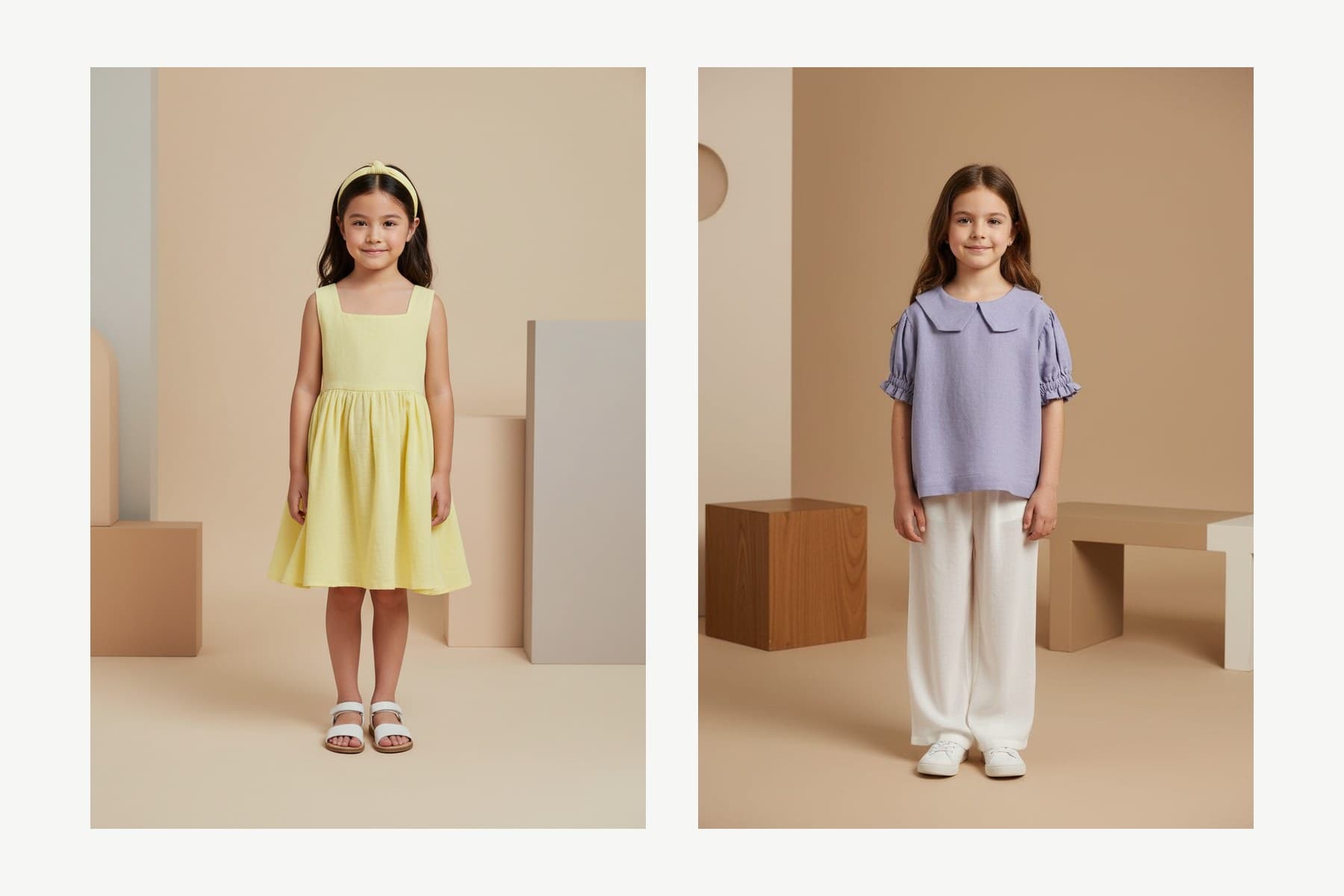
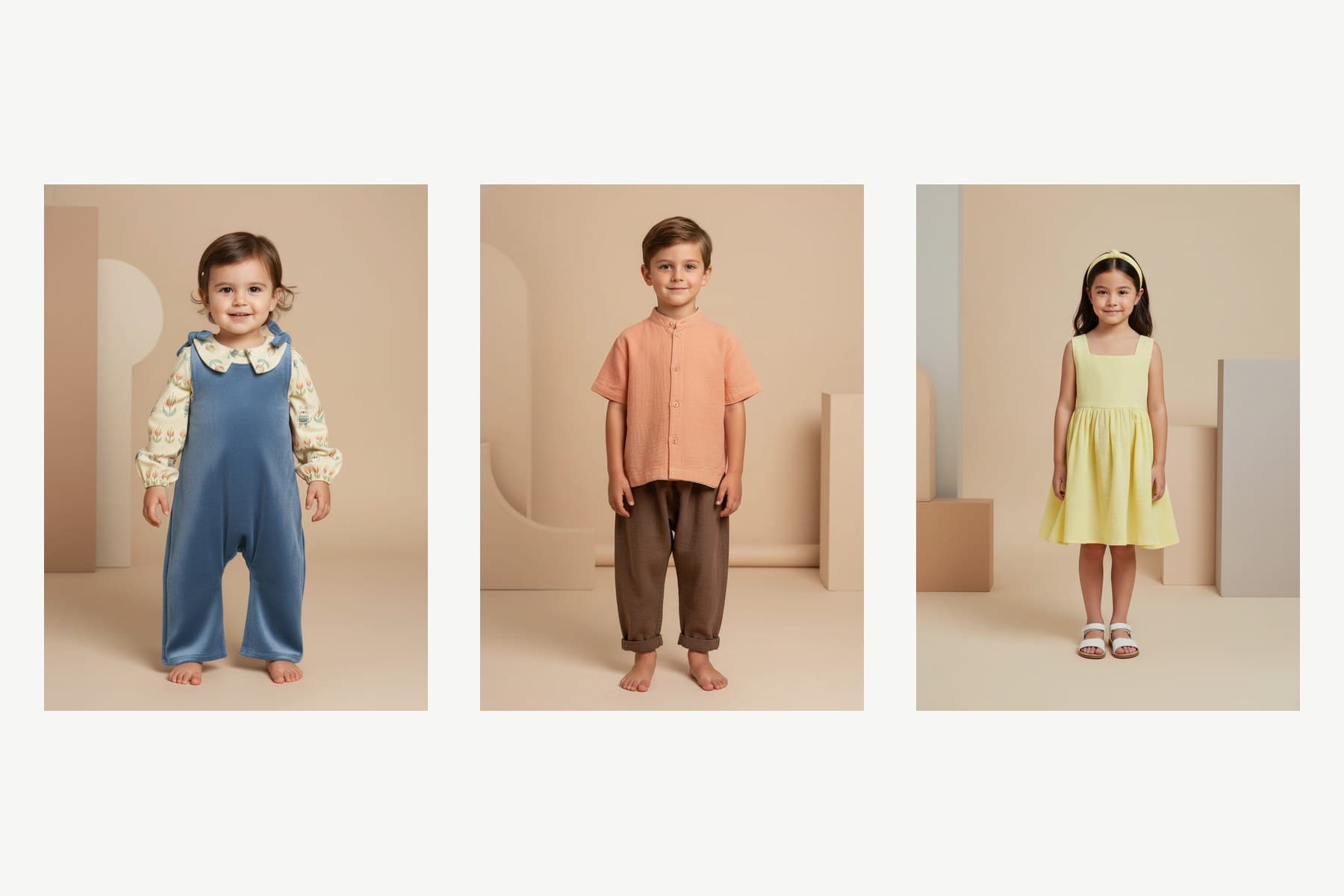
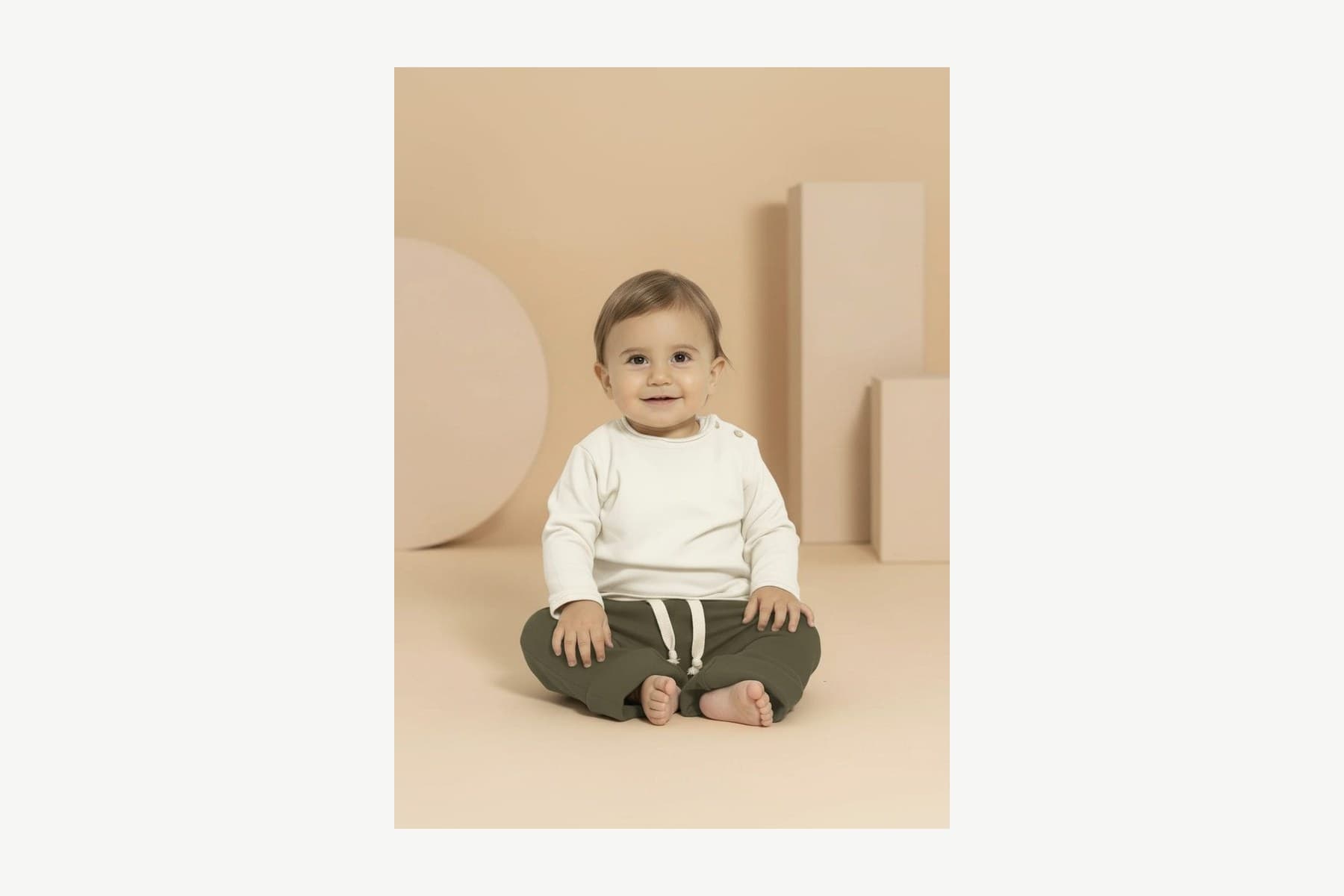
The collection we took grew out of a theme you would not expect at a children’s fashion show: climate change, and drought in particular. Not as a protest, but as a starting point. The colours, the fabrics and the shapes tell of a world that is changing and can still be saved — and they do it with the lightness children deserve.
Three things were not negotiable, and they are still the way we work:
The message we wanted to leave with buyers was a positive one, not an alarmed one: you can make children’s fashion with ethical choices without giving up beauty. In fact, it is often the constraint itself that makes a collection more interesting.
Who the Farway girl is
Behind every collection there is an imaginary girl wearing it, and ours has a very particular character. A little tenacious, a little tender. A little curious, a little dreamy. A little visionary.
She is a small explorer: she meets the world with wonder, she wants new experiences, to discover, to dream. She is not a shop-window girl — she is a girl who gets dirty, runs, looks up. Designing for her means making garments that stand up to movement and still look good after a real day.
“Il bosco che vorrei”: the scent journey
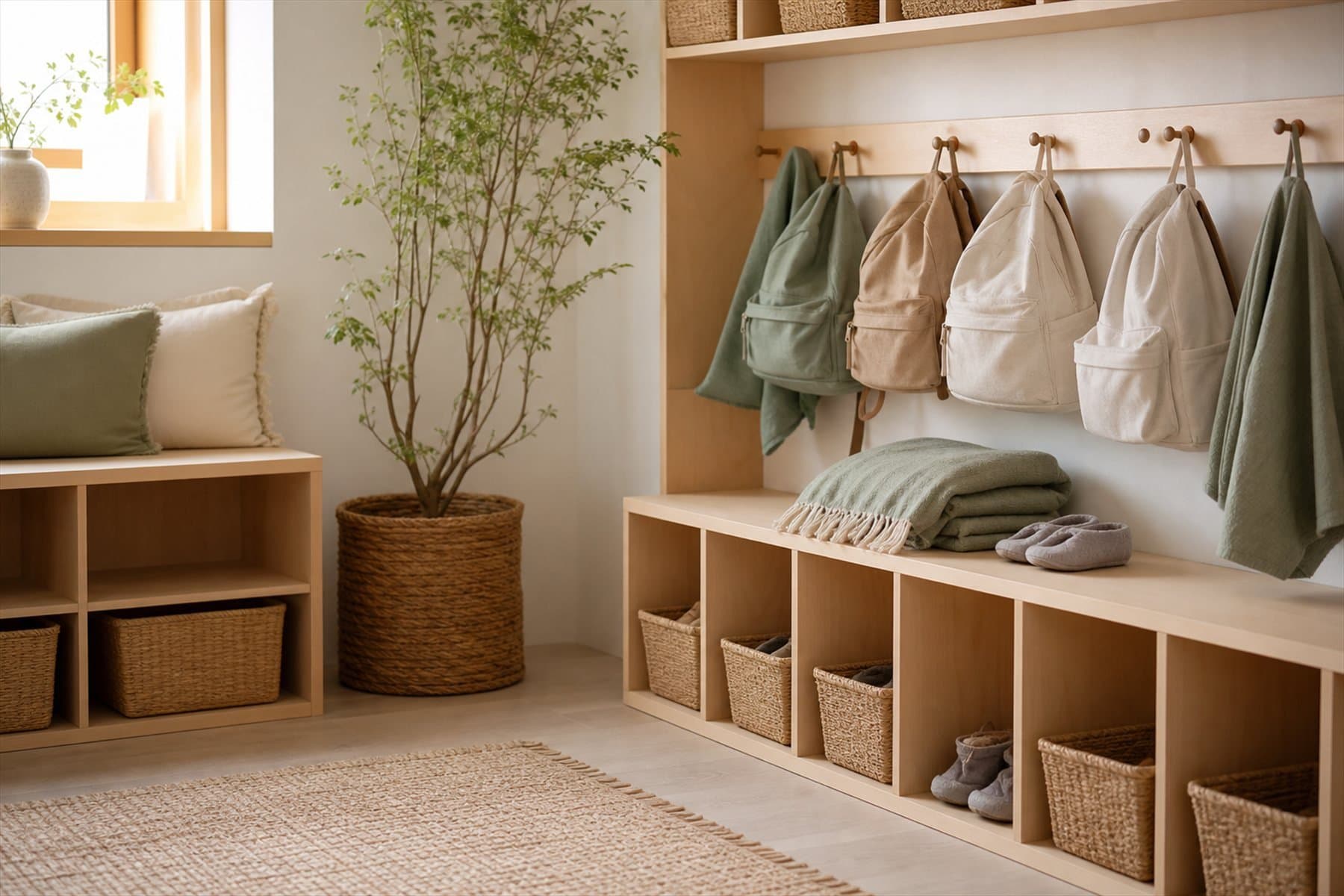
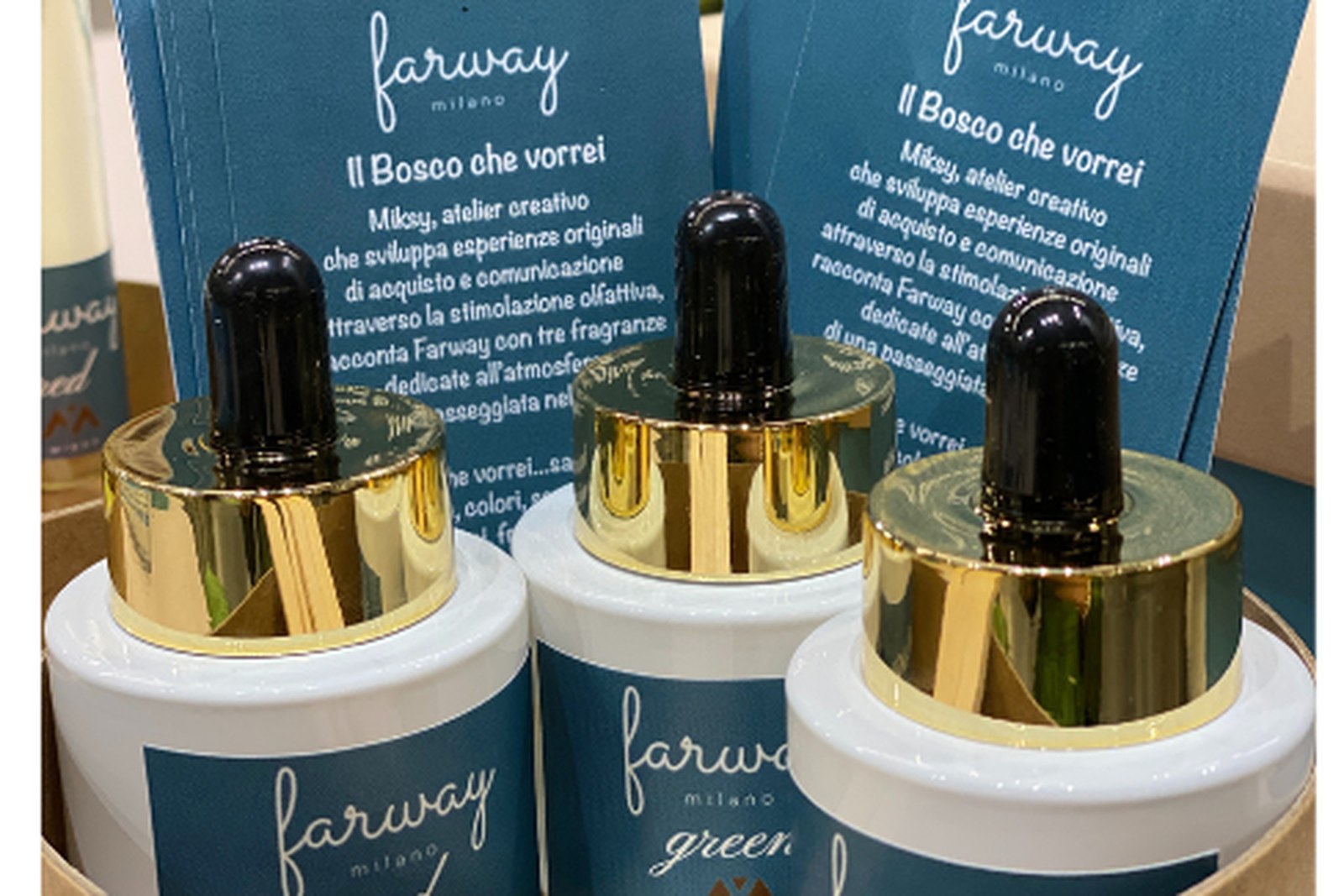
The most unexpected part of our presence at Pitti was not something you looked at: it was something you smelled. Together with the creative studios of Misky we built a sensory journey called “Il bosco che vorrei” — the forest I would like — designed to let visitors into the collection through a different door.
Three fragrances, born out of the feeling of a walk in the woods, to be used as room scents or sprayed onto fabrics. Each one told a single thing:
Notes of wood, flowers, fruit and moss: anyone who walked in found themselves somewhere suspended between reality and dream, and looked at the garments from there. It works better than any presentation, because smell does not go through the head — it gets there first.
What you take home from a show like this
Three days at Pitti are exhausting and hugely useful. You meet buyers who know the market better than anyone else, you see dozens of collections unlike your own, and you work out quickly what works and what was only a nice idea in the atelier.
But the most valuable thing is something else: you meet people who work with the same stubbornness. Small businesses that choose short supply chains, certified materials, Italian production — and do it out of conviction, not positioning. Leaving Florence knowing you are not the only ones who think this way is worth the trip.
Frequently asked questions
When does Pitti Bimbo take place?
Twice a year at the Fortezza da Basso in Florence: in January for autumn-winter collections and in June for spring-summer collections, always for the following season. The exact dates change with every edition and are published by Pitti Immagine a few months in advance.
Can you visit Pitti Bimbo if you do not work in the industry?
No: it is a trade show, open only to buyers, companies, press and accredited professionals. It is not an event for families. What the public sees is the stories, the photographs and the collections that reach the shops a year later.
What is The Kid’s Lab?
It is one of the areas the show is divided into, given over to research-driven labels and the most experimental projects in childrenswear. It is where you find the brands working on materials, sustainability and new languages, often small independent ones.
What does it mean for a collection to be 100% vegan?
That none of the materials used is of animal origin: no wool, silk, leather, feathers or fur, and none in the details either, such as buttons, labels and finishes. For children’s clothing it means working mainly with cotton and plant fibres, paying close attention to the hand of the fabric so that it stays soft against the skin.
Why do brands present their collections a year in advance?
Because the supply chain needs time. After the show come the orders from the shops, then production, then distribution: on average six to twelve months pass between the presentation and the rail in a shop. That is why in January people are already talking about next winter.
We came back from Florence with the confirmation that we are going the right way: garments made for real children, made in Italy, with materials that ask nothing of animals. The Farway Milano collections are in the shop, and if you are looking for a piece for a particular occasion you will find everything gathered in the collections by occasion.